Mission constraints first Measured hardware Evidence strong enough to contract

Thermal systems, generated from physics.

BURN R3D designs, prints, instruments, and tests mission-specific combustion and thermal-core hardware until the evidence is strong enough to fund, contract, or transition.

Confidence first. Hardware second.
BURN R3D builds sponsor-facing capability through model-driven architecture, additive manufacturing, instrumented validation, and rapid redesign. The company is not selling abstract possibility. It is building hardware-backed evidence.
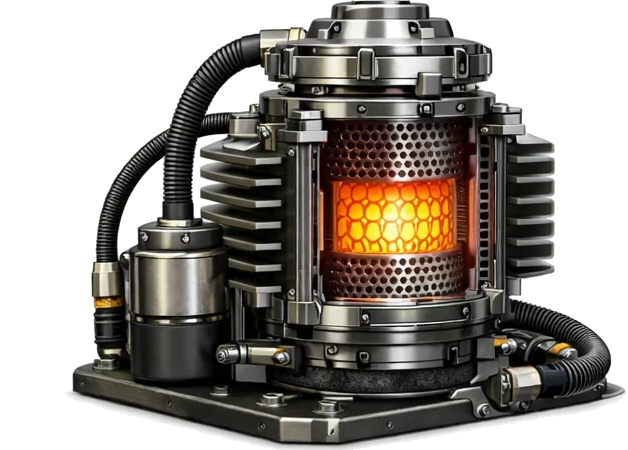
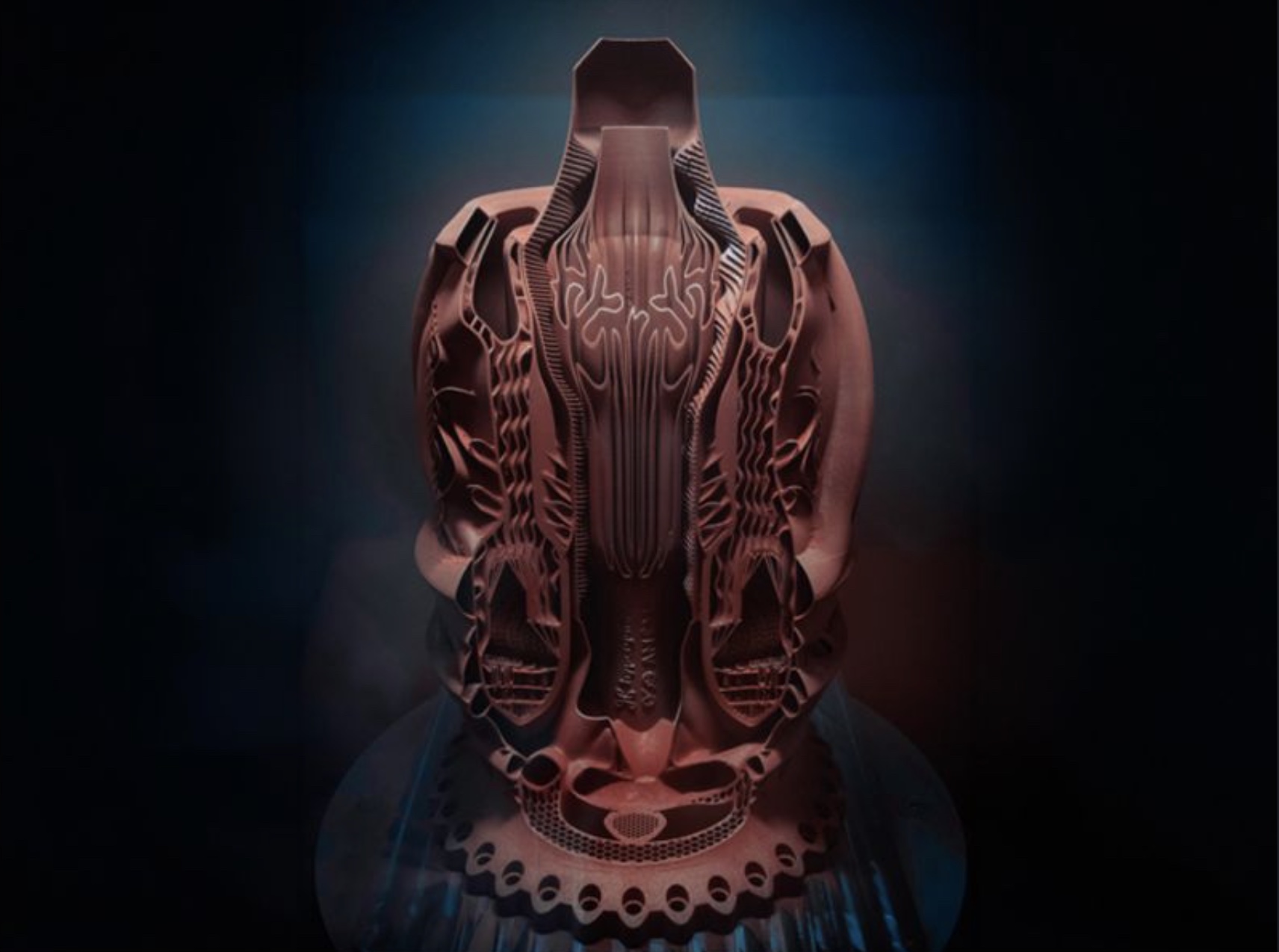
BURN R3D system architecture concept
BL∇CKPΛCKExpeditionary power wedge
AMP·WICKArtemis thermal core
SPAR3Mars process lane
COBR-AArctic flight concept
Rules of R3D

3 Axioms, 1 Point of Origin.

Three axioms define how the company operates. One point of origin explains why it had to exist.

01

Geometry must answer to physics.

Flow, heat release, residence time, pressure handling, thermal soak, ignition, sensing, and packaging are treated as one coupled design problem. Geometry is generated to control the physics, not inherited from legacy hardware and merely tolerated.

02

First principles beat inherited forms.

Mission requirements are translated into transport targets, thermal objectives, manufacturable architecture, embedded interfaces, and control logic. BURN R3D does not start with catalog hardware and search for marginal gains. It starts with the problem and determines what architecture should exist in the first place.

03

Evidence wins before scale.

The moat is the evidence engine: design, fabricate, instrument, test, redesign. Sponsors and operators commit when the hardware proves itself under measured conditions, not when the rendering looks persuasive.

Point of Origin

BURN R3D began with a refusal: high-value thermofluid hardware should not be treated as a fixed artifact when it can be generated from physics and proven through measured hardware.

That refusal still defines the company. BURN R3D exists to turn hard combustion and thermal problems into sponsor-ready demonstrators through inverse design, additive manufacturing, and instrumented validation. The result is faster technical truth, stronger transition logic, and a cleaner path from concept to contract.
Platform

Model-driven architecture for combustion and thermal systems.

BURN R3D starts with the coupled system, not a legacy combustor waiting for a minor upgrade. Pressure budget, thermal objective, residence-time architecture, ignition strategy, materials, controls, embedded integration fixturing (EIF), and packaging are solved together from the start. The output is a new architecture backed by evidence strong enough to fund, contract, or transition.

1
Multiphysics inverse design

Mission constraints are translated into pressure budget, residence-time architecture, thermal objective, material strategy, manufacturability, integrated interfaces, and control surfaces before geometry is fixed.

2
Manufacturable thermal-core synthesis

Monolithic internal architectures are designed for additive manufacturing from the start, with staged flow paths, integrated sensing provisions, and geometry conventional fabrication reaches only slowly or not at all.

3
EIF + instrumented validation

Embedded integration fixturing is treated as a design constraint, not an afterthought. Hardware is architected to support sensing, inspection access, service interfaces, and future health monitoring from the start. Pressure drop, temperature field, emissions, stability, optical behavior, and system response are then measured directly against the design intent.

4
Recursive redesign + predictive maintenance logic

Measured data updates boundary conditions, geometry priorities, controls, and monitoring strategy so each build improves through evidence. The same loop that closes design risk also lays the groundwork for predictive maintenance, because the architecture is built to expose condition, drift, and degradation early.

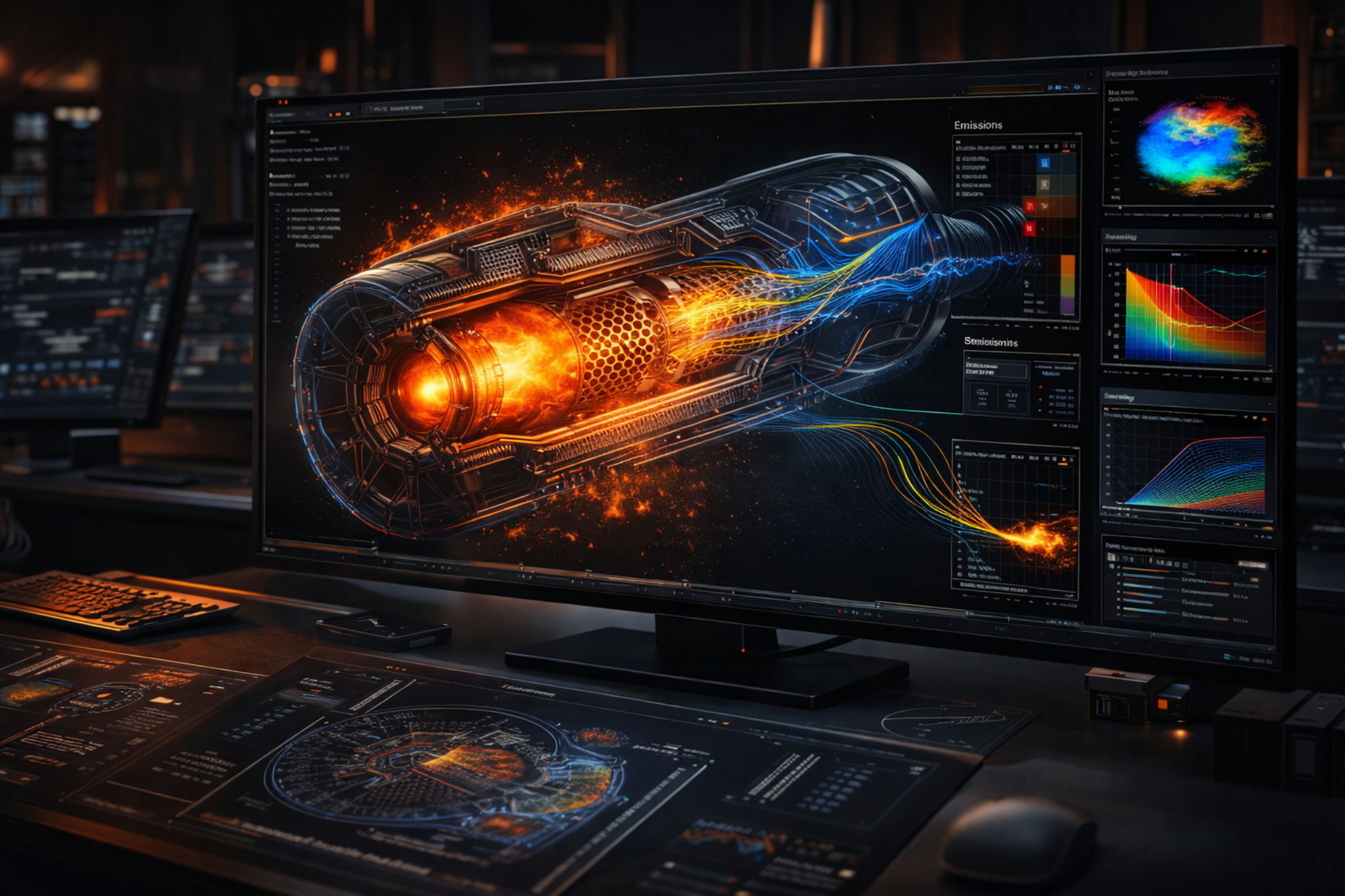
Premium modeling workstation showing multiphysics inverse design for a conformal combustion and thermal-core architecture
Solver-driven architecture generation
What gets solved Thermal profile, ignition strategy, flow architecture, emissions behavior, pressure handling, embedded interfaces, serviceability, and demonstrator packaging are forced into one evidence loop.
What sponsors see A contract-ready milestone package: first-principles architecture, manufacturable geometry, integrated validation strategy, measured deltas, and a clear next decision.
Programs in motion

Programs advancing now.

BURN R3D is building a demonstrator-driven portfolio spanning expeditionary power, Arctic flight research, Artemis thermal systems, and Mars-oriented process infrastructure. The public story leads with programs where the platform is easiest to evaluate through hardware, not slogans.

Progressing now

BL∇CKPΛCK

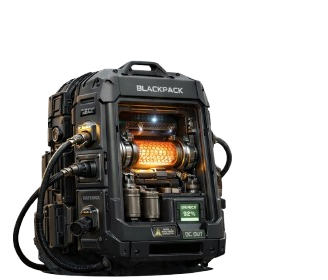
Fuel-flexible expeditionary power generation. BL∇CKPΛCK is the field-facing wedge: a hardened thermal-core architecture that makes the platform clear to sponsors, evaluators, and early teaming partners.

BL∇CKPΛCK expeditionary power system concept
Bench-to-field progression From thermal-core architecture and validation logic to sponsor-facing expeditionary power demonstrators.
ONR / NASA futures

AMP·WICK

Compact thermal architecture for Artemis-era power and thermal management. The emphasis is monolithic integration, controlled heat, and geometry-driven performance in mass- and volume-constrained environments.

AMP·WICK Artemis thermal core concept
Mars process lane

SPAR3

Sabatier Propellant Architected Regolith Refinement Reactor. A Mars-facing quadgen plant concept combining propellant production, process heat, electrical generation, habitat thermal support, and regolith-refinement support inside one integrated thermal architecture.

Mars globe reference image for the SPAR3 process lane
SPAR3 Sabatier Propellant Architected Regolith Refinement Reactor concept
Arctic flight concept

COBR-A

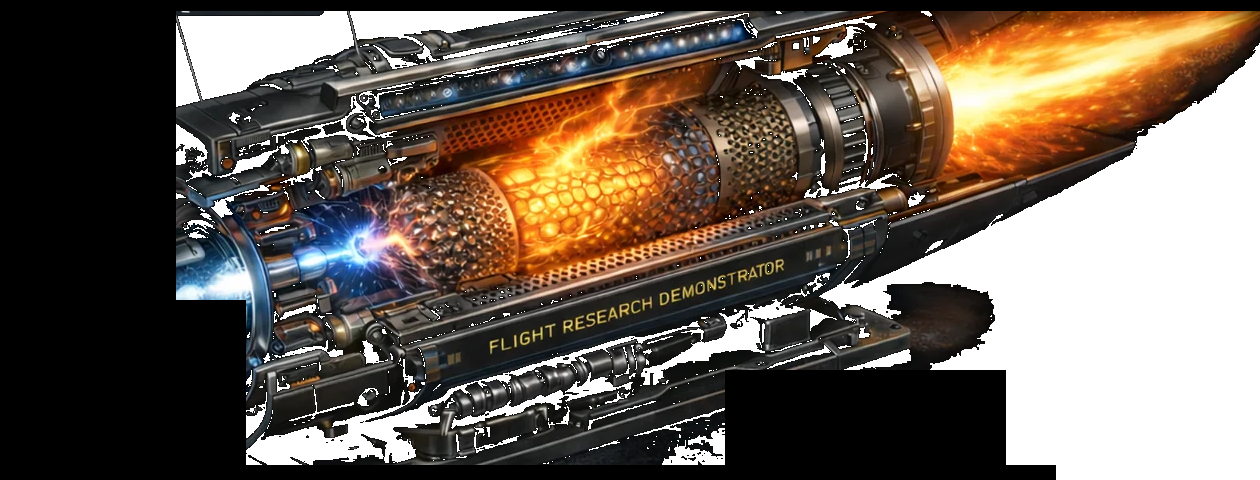
Cold Operation Ballistic Ramjet — Arctic. A staged combustion-core concept for hard-flight environments, integrating plasma-assisted ignition, cold-start resilience, diagnostic access, and geometry-enabled control of pressure drop, residence time, and thermal soak.

COBR-A full system concept
Progress

The loop is already in motion.

BURN R3D is already tightening the design-print-test-redesign cycle through instrumentation planning, prototype geometry work, flow correlation, and the next metal additive manufacturing milestones.

What is progressing now

Test-ready infrastructureFlow-rig architecture, instrumentation planning, and prototype geometry work are already in motion.
Correlation over decorationThe near-term objective is measured agreement between simulation and hardware, not concept imagery detached from data.
First metal AM burn and mappingThermal profile, emissions, and stability mapping turn the platform from design intent into defensible evidence.
First sponsor or pilot commitmentThe commercial handoff happens when the validation package is strong enough that a partner wants the next iteration.
Strategic posture
Frontier systems first. BL∇CKPΛCK, AMP·WICK, SPAR3, and COBR-A anchor the forward program map because they make the platform clear to sponsors, partners, and investors.
Confidence through measured hardware. Measured hardware and recursive redesign convert technical progress into sponsor confidence, teaming leverage, and better financing conversations.
A capability company, not a concept think tank. The impression is disciplined velocity: first-principles architecture, real instrumentation, and a credible path from demonstrator to contract.
Founder

Why BURN R3D had to exist.

Michael McCarthy started BURN R3D because legacy geometry and slow validation loops were still bottlenecking high-value thermofluid hardware.

Portrait of Michael McCarthy
Founder & CEO

Michael McCarthy

Michael McCarthy is the Founder & CEO of BURN R3D, an engineering venture building advanced combustion and thermal systems through additive manufacturing and rapid experimental validation.

He built the company around a simple thesis: better thermal hardware will not come from slower iteration on inherited forms. It will come from generating architecture from physics, then proving it fast through fabrication, instrumentation, and measured hardware.

As Founder & CEO, he leads technical direction, systems integration, and venture development across that workflow—from problem framing and geometry synthesis to bench validation, sponsor-facing demonstrators, and the next contract path.

3+years in combustion
3+years in additive manufacturing
2+years in defense contracting
Business model

A stacked model serious capital can underwrite.

BURN R3D monetizes validated confidence before scaled production hardware. Sponsor-funded design work and prototype campaigns create revenue, customer pull, and proprietary evidence first. Product families and workflow licensing scale after the data moat exists.

01

Sponsored technical work

Feasibility studies, inverse-design packages, materials downselects, test plans, proposal support, and sponsor-ready demonstrator concepts are the first revenue engine.

02

Prototype hardware + validation campaigns

Custom thermal cores, fixtures, instrumented test articles, and paid validation campaigns turn the platform into measured customer value.

03

Product families + licensing

Only after repeatable data do standardized subsystem families, workflow licensing, geometry libraries, and validated operating maps become the higher-margin layer.

Contracting posture
Customer-funded work Near-term revenue comes from paid studies, pilot design packages, and redesign-plus-validation campaigns that fund learning while building demand.
SBIR-aligned pathways Sharp problem framing, measurable milestones, credible transition logic, and demonstrators tied to mission value make the work legible to TPOCs from the start.
Strategic teaming BURN R3D is teaming-ready for primes, labs, and mission partners that need differentiated thermal architecture and a faster evidence loop than internal development typically provides.
Why investors care Early services are not the destination. They create proprietary data, harder-to-copy hardware, and the right moment to standardize.
Illustrative early deals $25k–$75k concept studies, $50k–$150k pilot packages, and $150k–$400k redesign-plus-validation campaigns.
Compounding logic Each program should sharpen design rules, geometry libraries, test databases, and operating envelopes so the next program is stronger, faster, and more defensible.
Capital map
Founder-led proof engine $150k–$300k Establish the company, ship the first serious demonstrator package, and close the first customers without forcing a weak round too early.
Evidence engine pre-seed $1.25M–$2.0M Build the repeatable loop: founder plus technical hires, richer instrumentation, outsourced fabrication, and stronger customer traction.
Productization seed $3M–$6M Convert the evidence engine into repeatable product families, higher-throughput test operations, and mission-grade demonstrators.
Long-view platform build $12M–$20M cumulative Support the full vision: real infrastructure, multiple active programs, and low-rate manufacturing capability around a defendable data moat.
Contact

Talk with BURN R3D.

For contracts, teaming, SBIR-aligned pathways, thermal-system collaborations, investor conversations, or direct founder outreach, use the channel that fits the conversation.

Contracts SBIR-aligned Teaming-ready Artemis / Mars / Arctic programs Confidence-first hardware
[email protected] Use for contracts, teaming discussions, proposal paths, pilot demonstrators, and sponsor-facing business development. Email [email protected]
[email protected] Use for founder conversations, investor interest, strategic introductions, and direct technical or venture discussions. Email [email protected]